

Low temperature drilling (LT)
Home / Low temperature drilling (LT)
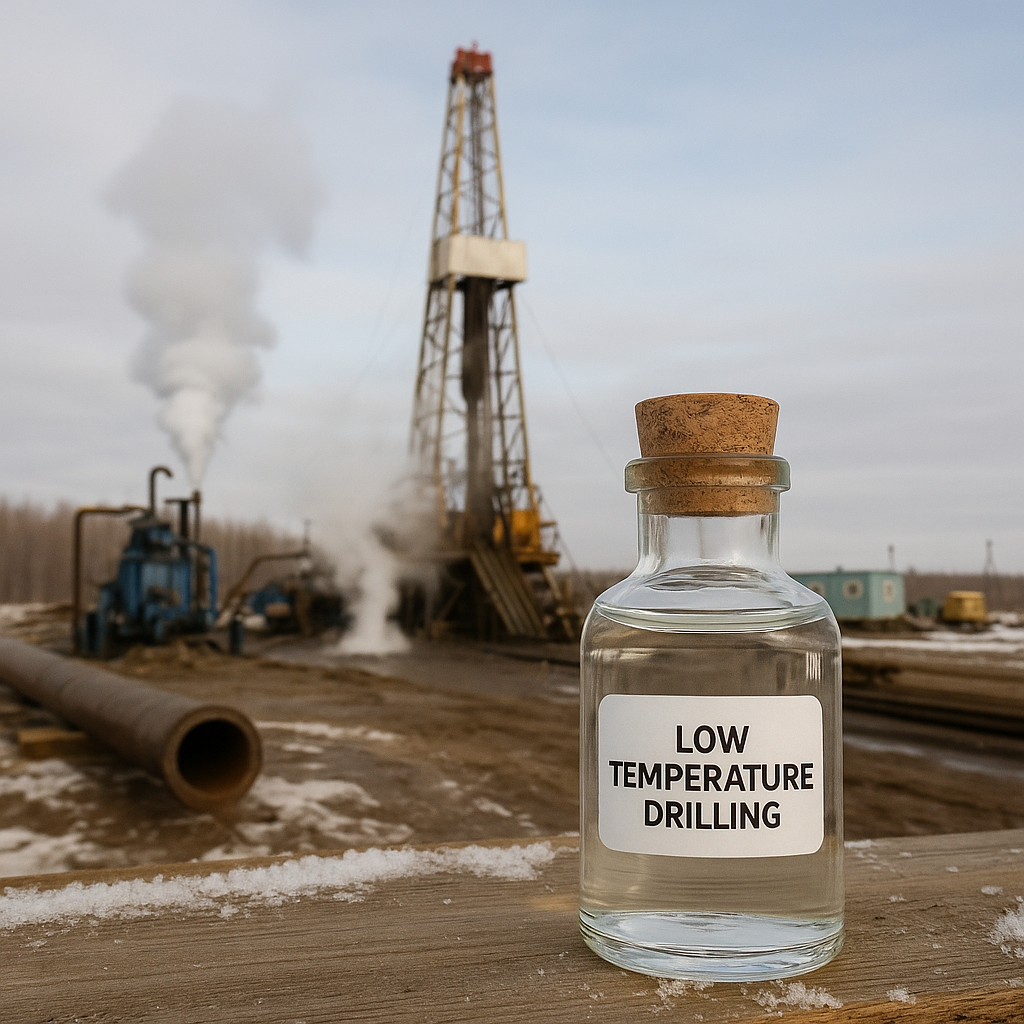
Functional Benefits
- Access to Untapped Resources
- Specialized Fluid Stability
- Enhanced Equipment Durability
- Wellbore Stability in Frozen Ground
- Year-Round Drilling Capability
STORAGE
- Store in cool and dry place.
- No direct sunlight and ventilated area.
PRODUCED AREA
- India
Low temperature drilling (LT)
Low-temperature drilling starch is a specialized type of modified starch used in water-based drilling fluids to control fluid loss and stabilize borehole walls, particularly in colder drilling environments. It’s designed to function effectively at lower temperatures, helping to regulate filtration rates and maintain borehole stability while minimizing any negative impact on viscosity.
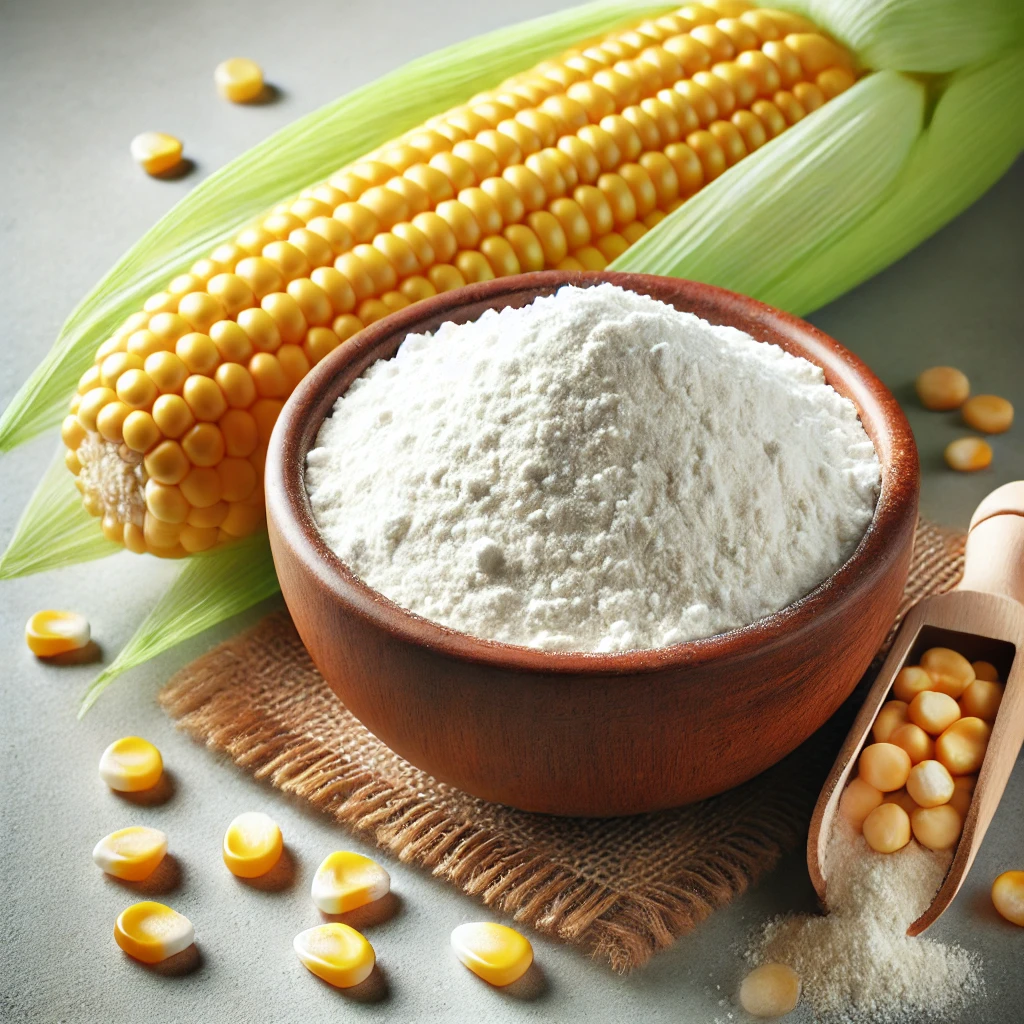
Drilling starch, in general, is a polysaccharide derived from natural sources like corn, potato, or tapioca, and modified to enhance its properties for drilling fluids. Low-temperature drilling starch is specifically formulated to perform well in colder temperatures, which is crucial in certain drilling environments.
Application:
- Arctic and Permafrost Oil Exploration
Functional Advantages:
- Fluid Loss Control: It helps to reduce the amount of drilling fluid that leaks into the surrounding formation, which is important for maintaining borehole stability and preventing formation damage.
- Viscosity Control: It helps to control the viscosity of the drilling fluid, which is essential for proper circulation and carrying drill cuttings to the surface.
- Borehole Stability: By controlling fluid loss and viscosity, it helps to maintain the integrity of the borehole, preventing it from collapsing or sloughing.
- Cuttings Removal: It can help to flocculate dispersed drill cuttings, making them easier to remove from the drilling area.
PACKAGE
- 25/50 KG PP Bags
why choose us
The Smart Starch Solution for Every Industry.
LT drilling refers to drilling operations conducted in extremely cold environments, such as Arctic regions or permafrost zones, where ambient temperatures can fall well below freezing.
LT drilling enables access to valuable oil and gas reserves located in cold climates, which are often untapped due to the challenges posed by frozen terrain and sub-zero conditions.
Challenges include equipment freezing, brittle materials, fluid thickening or solidification, and difficulty maintaining pressure and circulation in icy formations.
Drilling tools and rigs are built with low-temperature-resistant alloys, insulated components, and heated enclosures to ensure proper function in freezing environments.
Special low-temperature drilling fluids are used to maintain flow, prevent freezing, and stabilize the wellbore while also withstanding icy surface and subsurface conditions.