The Role of Starch-Based Products in the Textile Industry
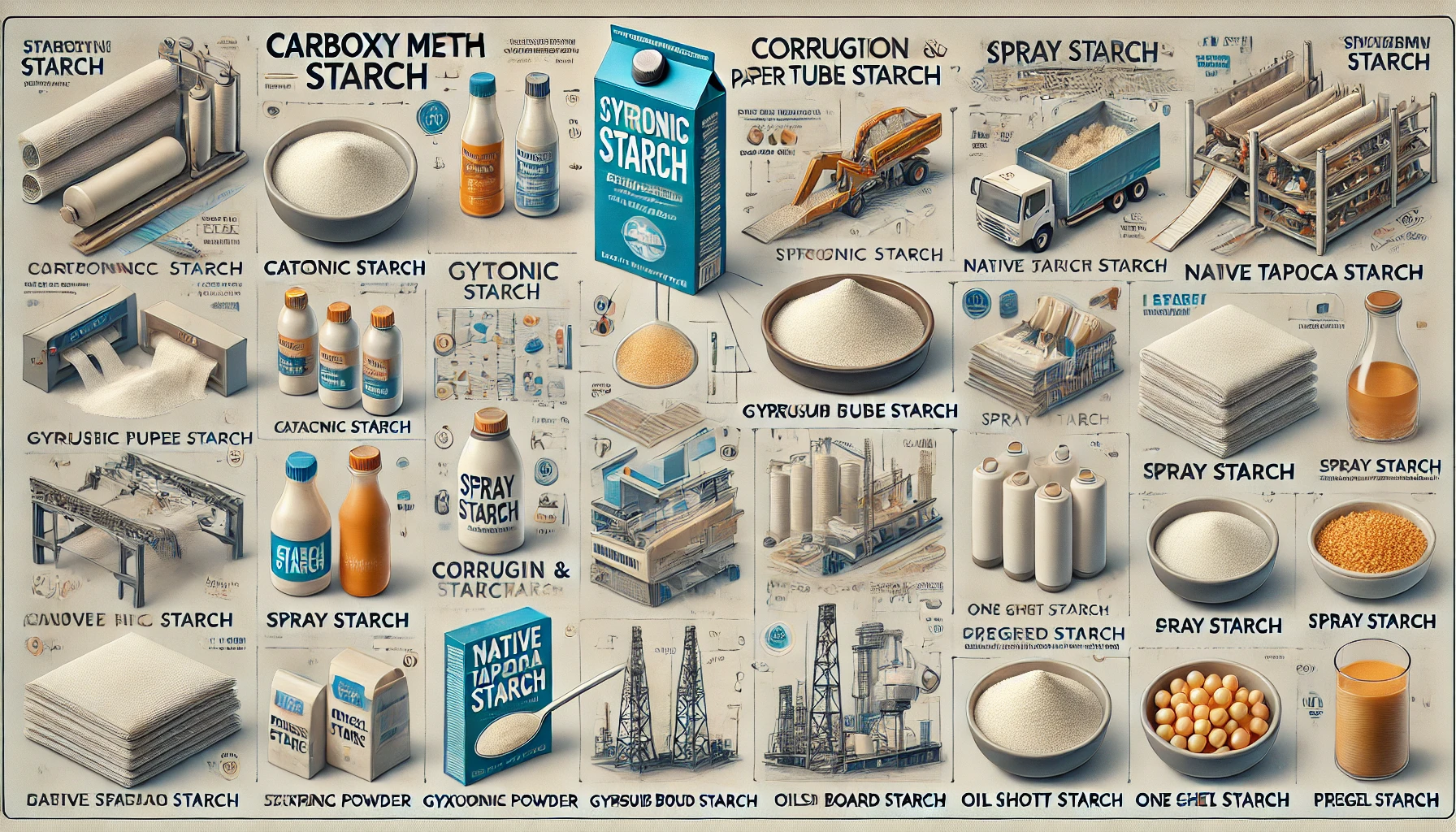
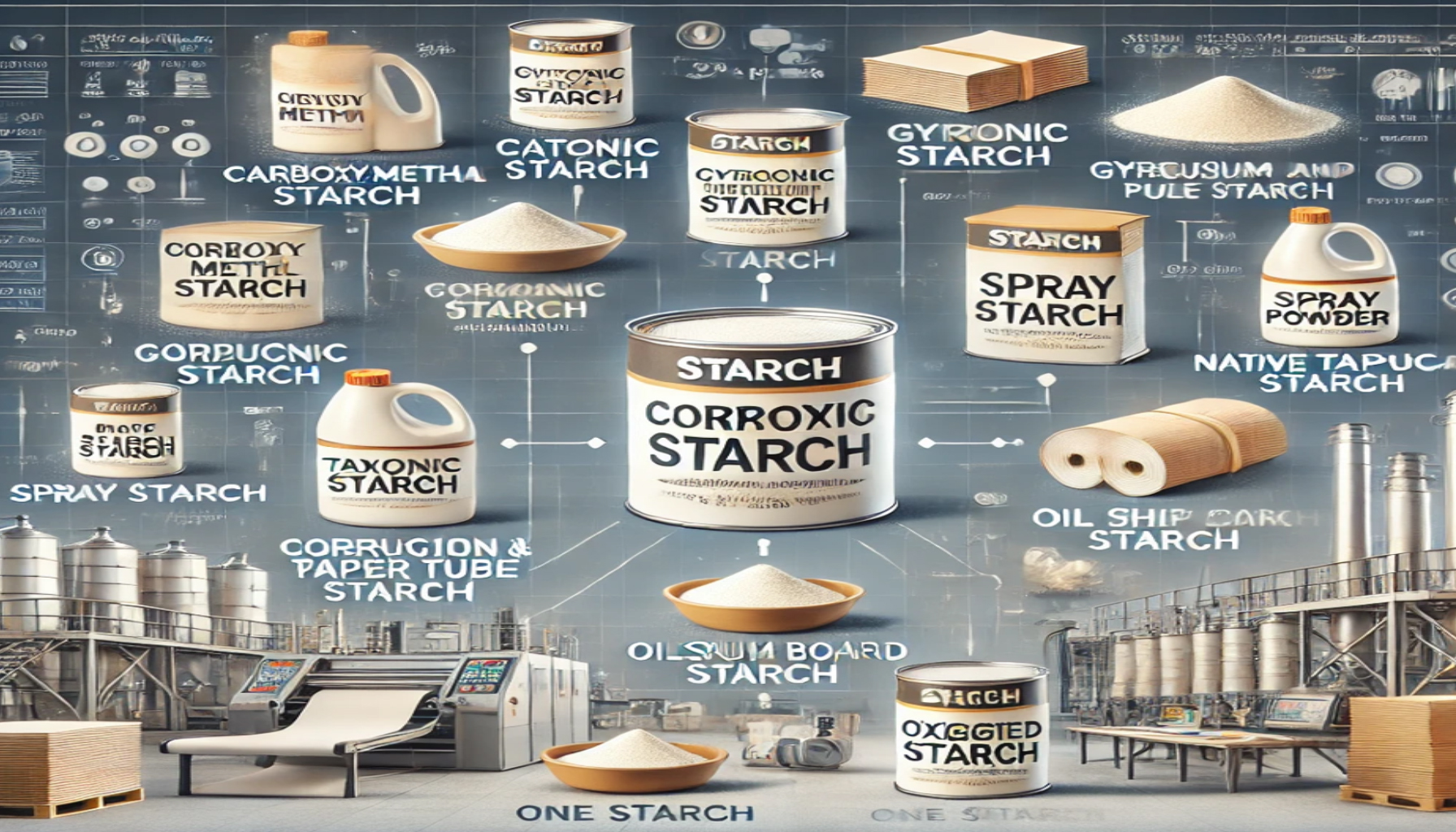
The textile industry heavily relies on various starch-based products to enhance fabric quality, improve durability, and optimize production efficiency. From fabric finishing to yarn strengthening, starch plays a crucial role in ensuring smooth operations and high-quality textile products. Below, we explore the different starch-based products used in the textile industry and their specific applications.
1. Carboxy Methyl Starch (CMS)
Carboxy Methyl Starch is widely used in textile sizing due to its excellent water solubility and binding properties. It helps in reducing yarn breakage and improving weaving efficiency, making it an essential component in high-speed looms.
2. Cationic Starch
Cationic starch enhances the adhesion between textile fibers and dyes, resulting in improved color fastness and dye uptake. It is extensively used in textile printing and finishing applications.
3. Corrugation and Paper Tube Starch
This starch is vital for manufacturing textile packaging materials like paper tubes and cartons. It provides strength and durability to paper-based packaging used in transporting textile products.
4. Dextrine Powder
Dextrine powder acts as a binding agent in textile printing, improving fabric texture and print adhesion. It is particularly useful in the production of specialty fabrics and coatings.
5. Gypsum Board Starch
Used in textile mills for creating partition walls and ceilings, gypsum board starch ensures lightweight and durable constructions, enhancing workplace infrastructure in the textile industry.
6. Spray Starch
Spray starch is commonly applied to fabrics to add stiffness and improve their overall finish. It is a popular choice in garment manufacturing and laundry services.
7. Native Tapioca Starch
Tapioca starch provides natural stiffening and is commonly used in textile finishing. It is an eco-friendly alternative for improving the feel and appearance of fabrics.
8. Oil Drilling Starch
Though primarily used in the oil industry, oil drilling starch also finds application in fabric coatings, where it enhances texture and water resistance.
9. One Shot Starch
This all-in-one sizing agent is specifically designed for high-speed looms, improving yarn strength and minimizing breakages. It is particularly useful for Terry Towel production.
10. Oxidized Starch
Oxidized starch improves the smoothness and gloss of fabrics, making it an essential ingredient in textile coatings and finishing processes.
11. Pregel Starch
Pregelatinized starch is used as a thickening and stabilizing agent in textile printing pastes. It offers excellent film-forming properties and ensures uniform fabric coating.
Conclusion
Starch-based products play an indispensable role in the textile industry, contributing to better fabric quality, increased efficiency, and sustainable production methods. By using the right starch products, textile manufacturers can optimize their processes and achieve superior results in fabric finishing, dyeing, and printing.